
Sarcoptic Mange in Foxes
Mange is one of the most common conditions we are contacted about — but with the right advice, many foxes can be helped.
Report a Fox with MangeA common but serious condition
Sarcoptic mange is caused by a mite which burrows under the skin of the fox. Unlike fleas, the mites do not jump, so the condition is usually passed through close contact between animals.
The mites cause intense itching, leading to fur loss, cracked skin and secondary infection. As the condition progresses, secretions can cause a thick crust to form on the skin.
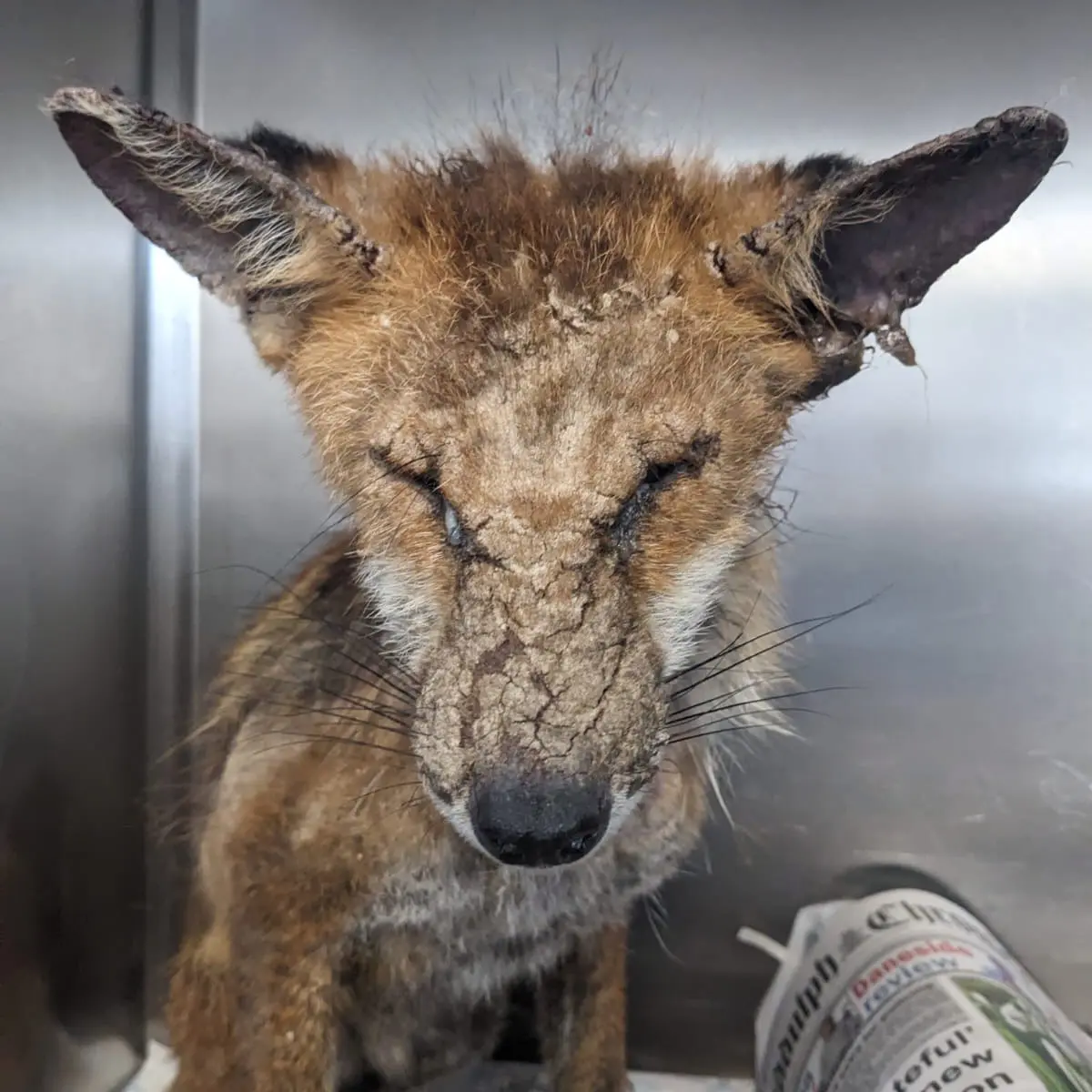

Caused by mites
The mites burrow beneath the skin and cause intense irritation.

Spread by contact
Mites do not jump. Mange is passed by close contact between animals.

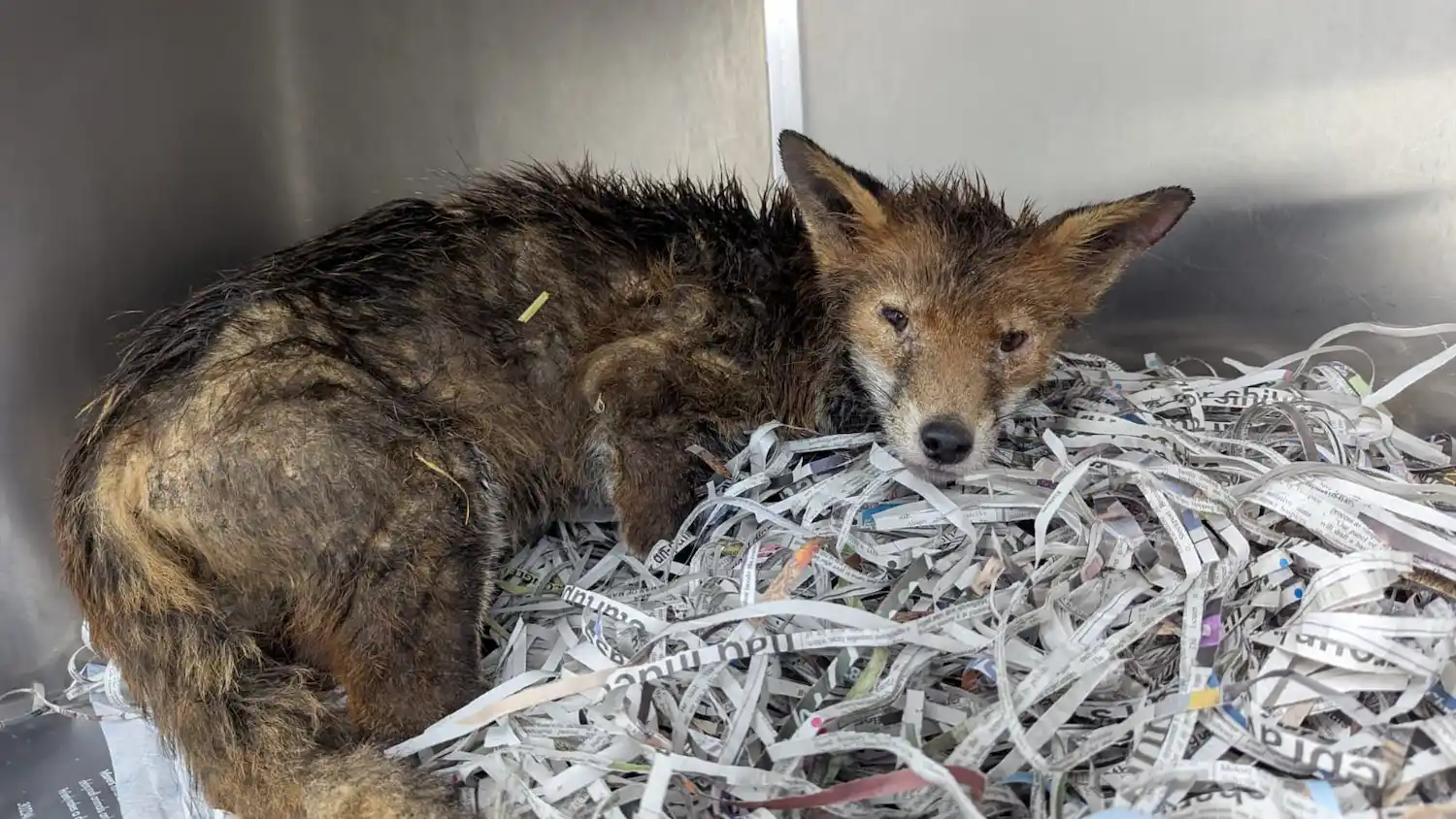
Fur loss
Fur loss often begins around the tail, back end or in patches.

Eyes affected
More advanced cases may develop conjunctivitis and crusting.
Why do we see mange more often in urban foxes?
Foxes living in towns and cities often live in closer proximity to one another than rural foxes, because food is more readily available and territories can be smaller. This closer contact can make it easier for mange mites to pass between foxes.
Although mange is contagious, it is more likely to seriously affect foxes whose immune systems are already under pressure - for example foxes suffering from injury, poor nutrition, chronic stress or an internal parasite burden.
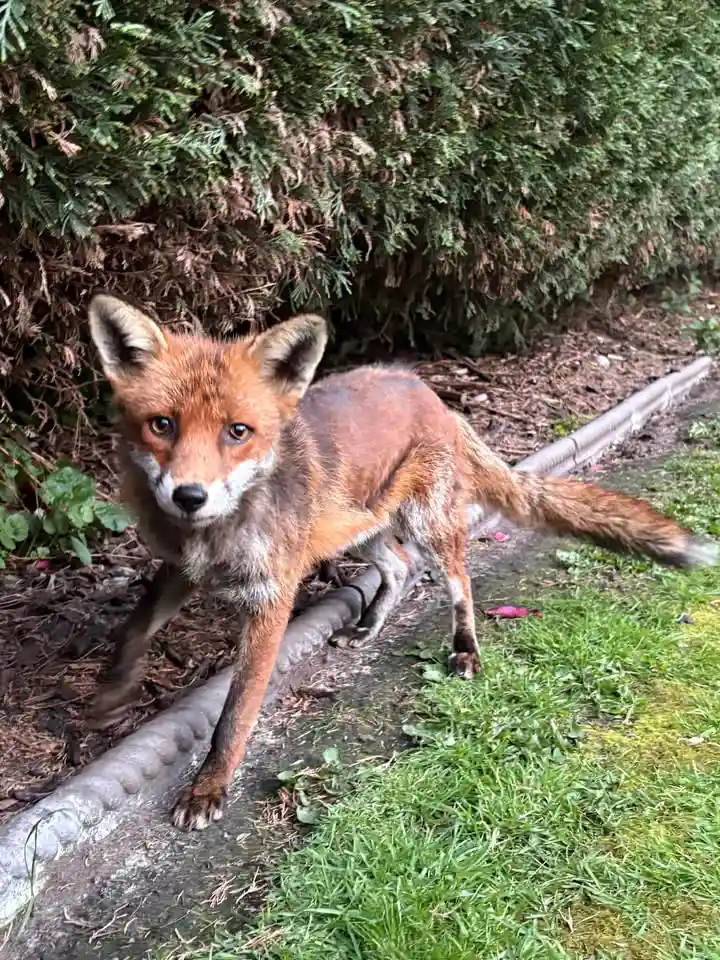
How to recognise mange
Mange can vary from mild fur loss to severe crusting and infection. In the early stages, a fox may only have fur loss around the tail, back end or in small patches.
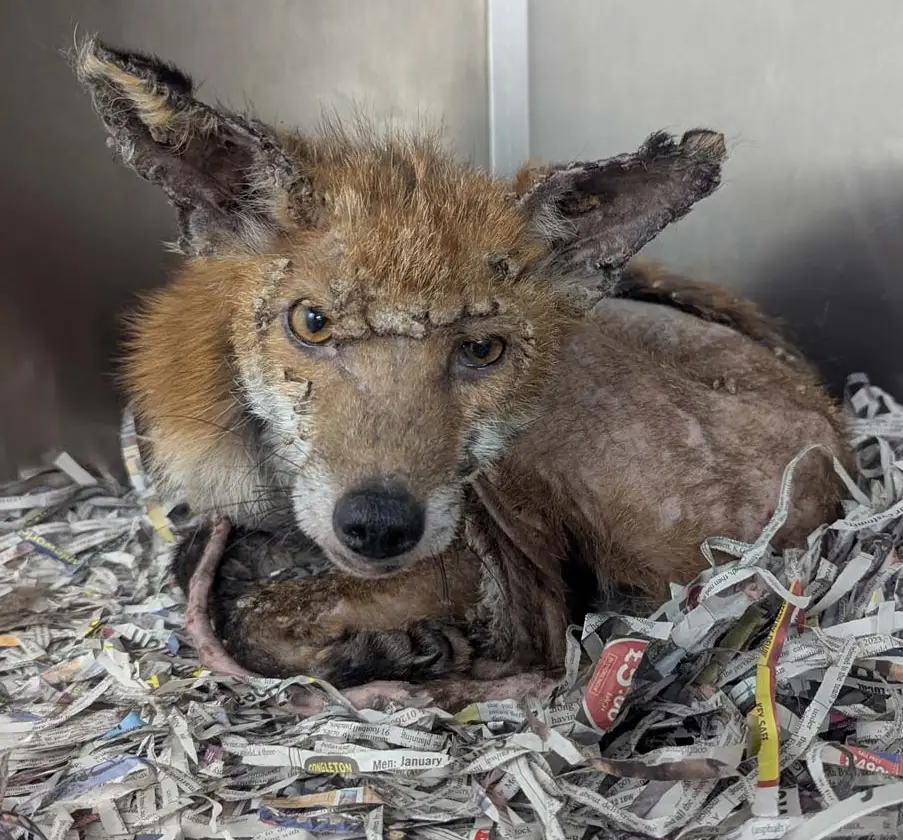
As the condition progresses, the skin may become cracked, sore and crusted. The fox may also become dehydrated, increasingly weak and may develop conjunctivitis.
Left untreated, severe mange can ultimately be fatal.
Understanding the stages of mange
Mild mange
We would usually class mild mange as fur loss affecting no more than around 30% of the fox, with no crusty skin and eyes fully open.
Moderate mange
Fur loss may be more obvious, the skin may look irritated, and the fox may need closer assessment through photos or video.
Severe mange
Crusting, cracked skin, infection, weakness, dehydration or conjunctivitis may mean the fox needs trapping and admission for treatment.
If you can safely get a clear photo or video, it helps us decide the best course of action.
Why trapping is always a last resort
We receive many calls and messages every day from across the UK and overseas about foxes with mange. Trapping is extremely stressful for foxes, so where we can help without trapping, that is always preferable.
For mild cases, we may suggest a homeopathic remedy alongside advice on good nutrition and follow-up support. We are not vets, doctors or homeopathic practitioners, and we are not suggesting this kills mites in the same way conventional treatment does.
However, we receive a large amount of positive feedback from people whose foxes have recovered. It may be that the remedy, combined with regular nutritious food, helps support the fox’s own immune system.
How we may be able to help
01
Mild cases
We may advise homeopathic support, good nutrition and monitoring.
02
Within our area
If needed, we may trap, treat with conventional spot-on treatment and immediately release.
03
Outside our area
We will try to find a rescue closer to the fox who may be able to help.
04
Severe cases
The fox may need trapping and admission into rescue for treatment and recovery.
Why treated foxes go back to where they came from
Once treated, foxes are returned to the exact location they were rescued. Foxes are territorial animals, so releasing them elsewhere could place them into another fox’s territory and put them at serious risk.
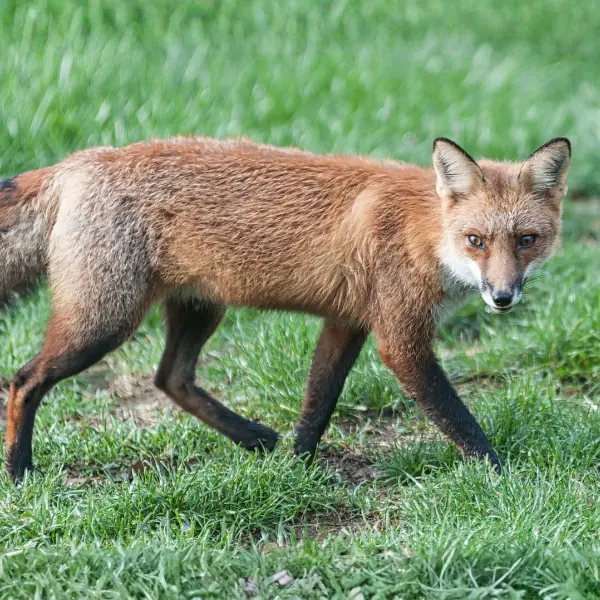
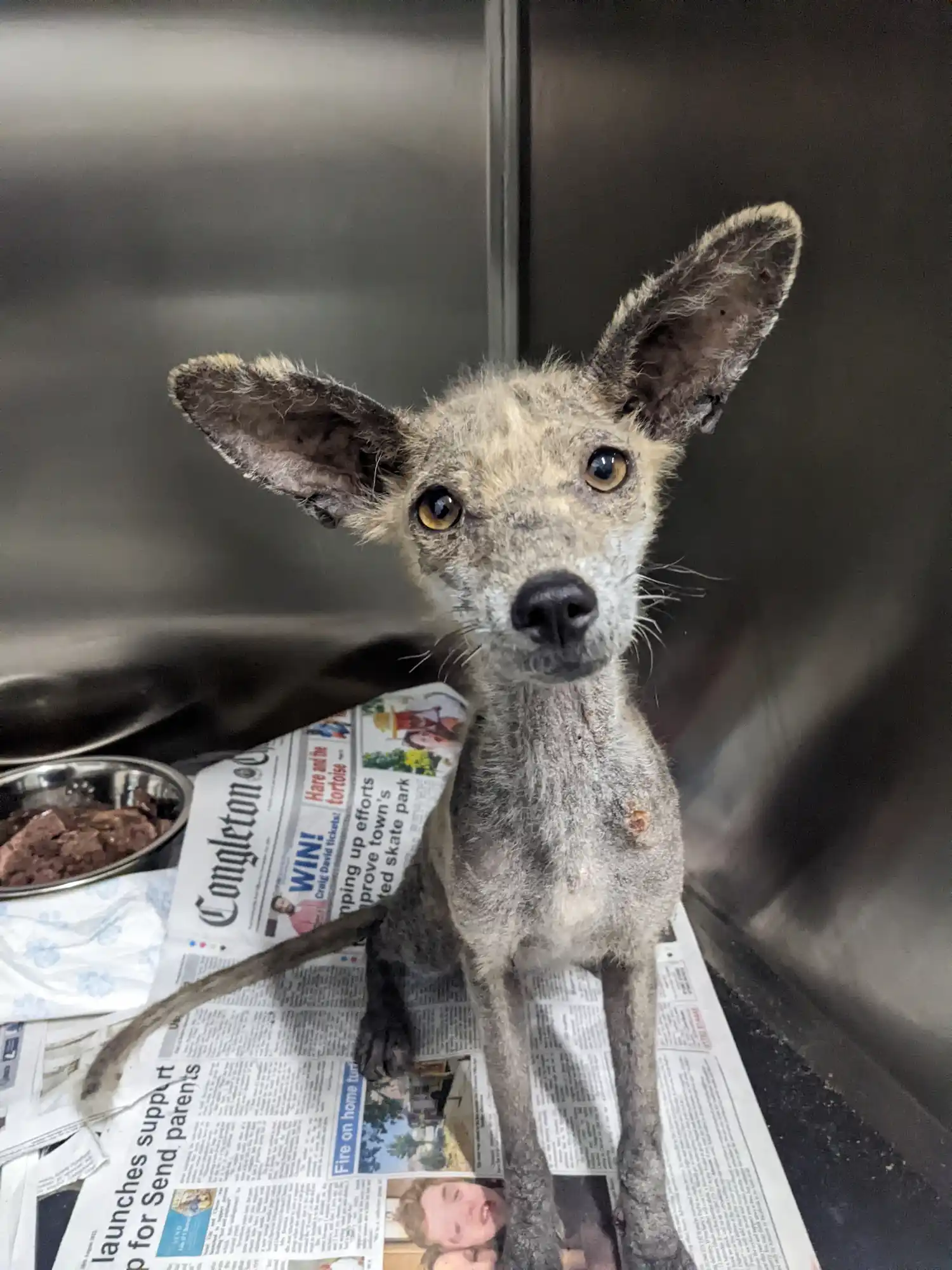
£40 could help treat a fox suffering from mange
Every fox admitted with severe mange requires treatment, care, food, bedding and ongoing monitoring.
The conventional spot-on medication alone costs around £40 per fox.
Funds one mange treatment for a fox in need.
Think you’ve spotted a fox with mange?
Please contact us with your location, a clear photo or video where possible, and details of how often the fox is visiting.
Contact Us for Advice