
Feeding Foxes Responsibly
How to support your local foxes without changing their natural behaviour or putting them at risk.
What do foxes eat?
Foxes are omnivores, eating a combination of insects, small mammals, birds, fruits and whatever they can safely scavenge.
They are opportunistic, adaptable animals and will eat whatever is available, which is one of the reasons they have learned to live alongside people so successfully.
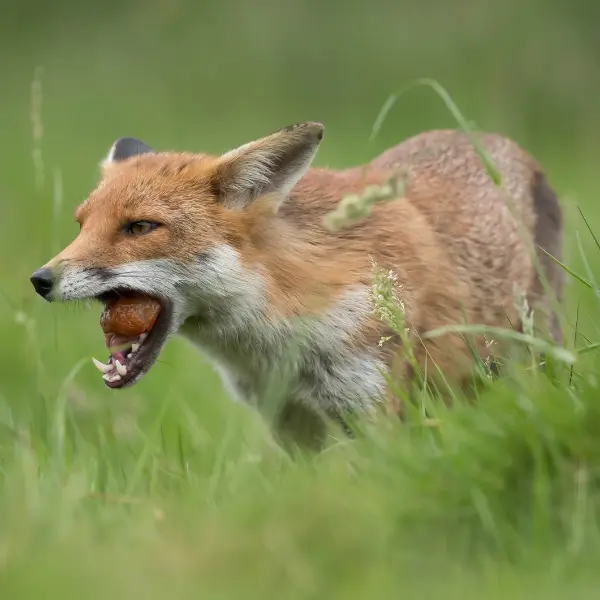
Nutritious support foods
✓ Tinned dog food
✓ Cooked meat, with no cooked bones
✓ Raw meat on the bone, such as chicken thighs
✓ Eggs, raw or cooked
✓ Plain peanuts
✓ Small pieces of apple or pear
✓ Fresh clean water
Keep foxes wild
× Feeding by hand
× Encouraging foxes to trust people
× Leaving large amounts of food
× Feeding at the same time every day
× Placing food close to your house
× Letting foxes see you putting food out
Small amounts are best
If you choose to feed your local foxes, we recommend support feeding only. This means giving small amounts of good nutritious food rather than large quantities.
Scatter food
Scatter food around instead of placing it all in one pile.
Vary times
Change the times you feed so foxes do not become too reliant.
Miss days
Miss a day or two each week to encourage natural foraging.
Fresh water
Leaving out clean water is always a helpful option.
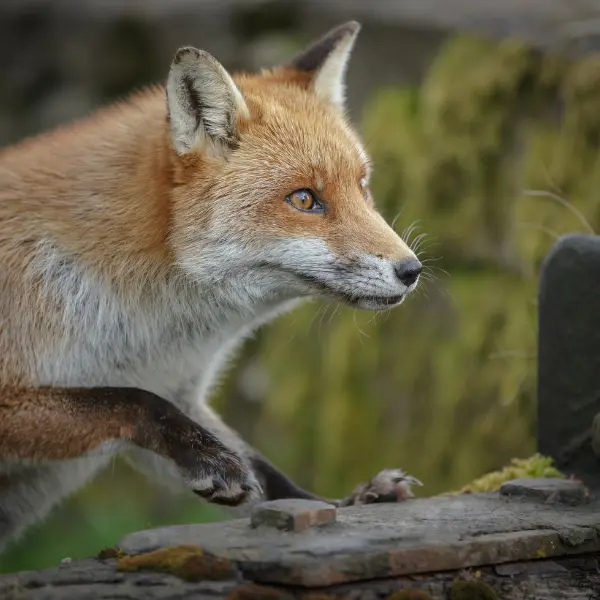
Foxes must stay wary of people
Please do not encourage a fox to trust you or feed it by hand. Although it may feel kind, it can put the fox in serious danger.
A fox that approaches people may be seen as a problem by others, and not everyone is kind to foxes. The safest fox is one that remains wild, cautious and independent.
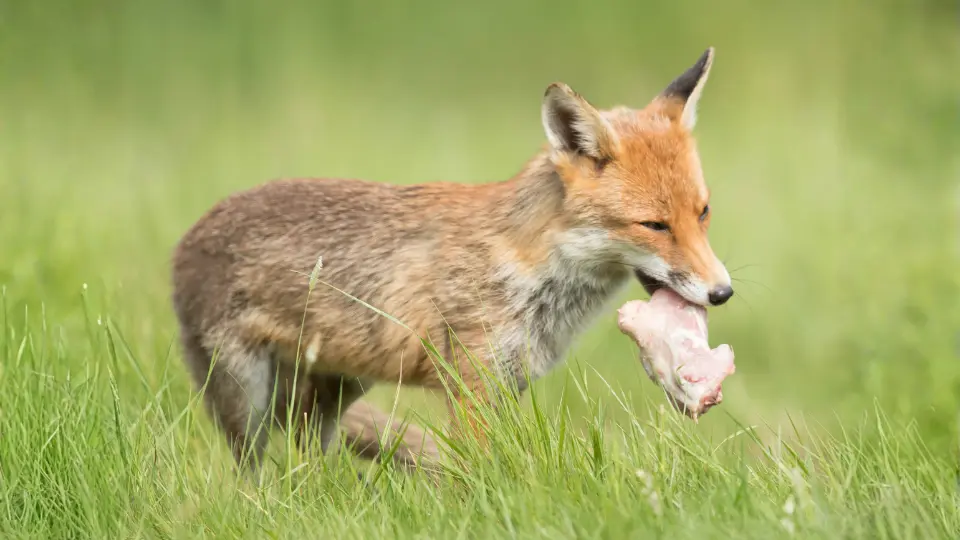
Foxes often bury surplus food for later.
Overfeeding can cause problems
Overfeeding can change natural behaviour and may reduce territory size, as territory size is linked to food availability.
It can also cause foxes to become reliant on people. If feeding suddenly stops, they may struggle to adapt.
Foxes may also cache, or hide, large amounts of food in neighbouring gardens, which can cause conflict and put the foxes themselves at risk.
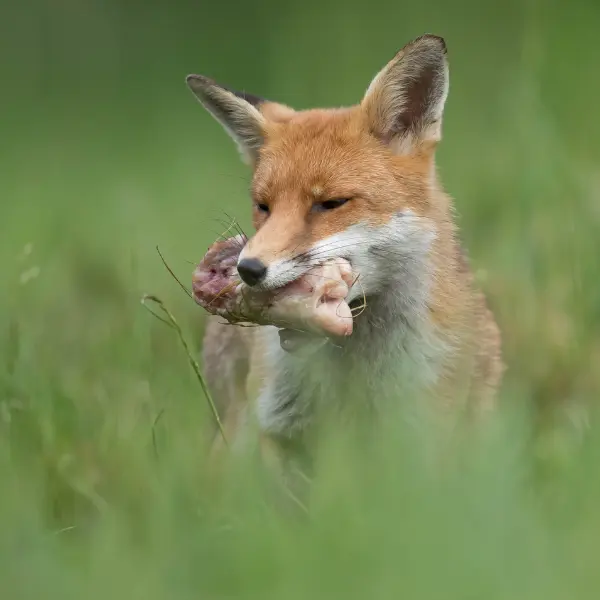
Closer contact can increase conflict and disease spread
A reduction in territory size can bring neighbouring foxes into more frequent contact with each other. This may increase territorial battles and can raise the chance of diseases, including mange, being passed between foxes.
Worried about a fox?
If you are concerned about a sick, injured or vulnerable fox, please contact us with photos, video footage and your location where possible.
Contact Us